
The Unseen World Outside
The Glass MenagerieThis flow follows the play’s outside forces as they penetrate the family’s private apartment and shape its sense of possibility.
increasing Bearing strength in each event
 decreasing
Bearing strength in each eventdecreasingThe Depression’s Pressure
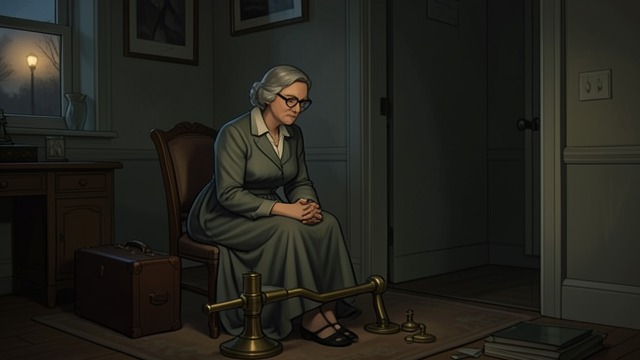
The Depression’s Pressure
A Strained Economy
Tom frames the story against the dissolving economy of the 1930s. The family’s worries about wages and dependence belong to a broader period of insecurity.
Private Lives, Public Conditions
The historical setting gives the family’s limited choices social context. Their conflicts are intimate, but money and economic instability help determine what choices seem possible.
The News of Europe
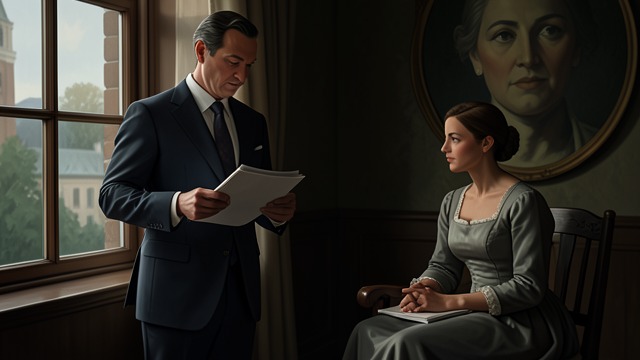
The News of Europe
Headlines at Home
Tom reads a newspaper headline about Franco’s victory while the family prepares for dinner. Events abroad reach the apartment as printed news, distant but impossible to ignore.
Private Waiting and Public Crisis
Tom reflects on coming war and the world’s expectation of bombardment. The family’s domestic frustrations unfold against a history moving toward violence on a much larger scale.
The Dance Hall Across the Alley
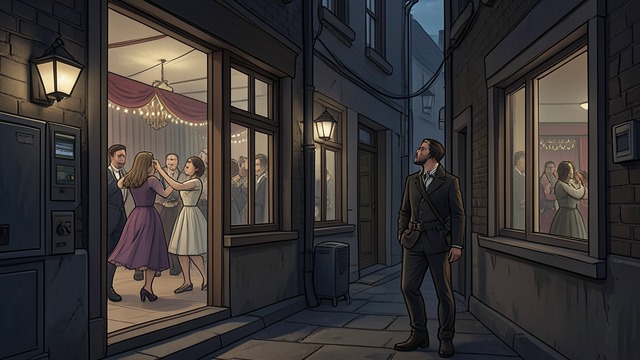
The Dance Hall Across the Alley
Music Through the Windows
Music from the Paradise Dance Hall enters the apartment and alley. Couples find brief privacy outside, while Tom watches a world of pleasure and movement from nearby.
A Contrast in Lives
The dance hall offers escape without changing the family’s conditions. Its rhythms make the neighboring world feel close enough to hear and too distant to enter.
Rain and the Blackout

Rain and the Blackout
Weather Changes the Evening
A summer storm arrives as Laura falters at the dinner table. Later the apartment loses its electricity, leaving the visitors and family in candlelight.
Accident Becomes Revelation
The blackout creates a private setting for Jim and Laura’s conversation, while also exposing Tom’s unpaid bill. Natural weather and household neglect together redirect the evening.
Movies and the Wider World
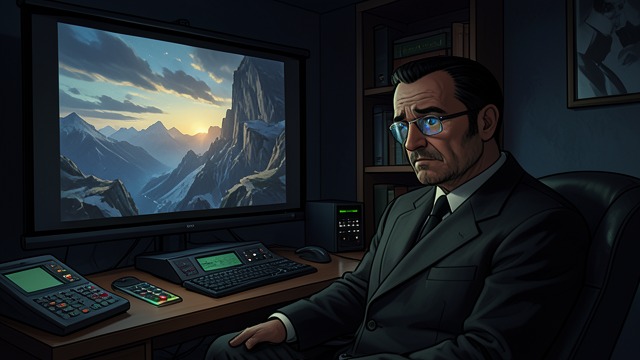
Movies and the Wider World
A Window to Elsewhere
Tom’s moviegoing gives him images of adventure beyond the warehouse and apartment. He regards the screen as both a source of longing and a substitute for action.
The Decision to Leave
The wider world finally becomes more than something he watches. Tom’s choice to move brings the play’s external promise of adventure into conflict with his family’s need for him.
The play’s 1930s setting
During the spring evening before Jim’s visit
On the spring evening Tom announces the caller
During Jim’s dinner visit
During Tom’s final argument with Amanda
